
The Process

Becoming a foster parent is a process. Like most good things it requires patience, intentionality and self reflection. Where do you start if you are feeling interested in exploring the idea of foster care for yourself or your family?

It’s May – foster care awareness month.

I hope you’ve been following along as I pull you into this world of ours and show you around.

With any luck, you’re getting pretty interested in this whole foster care thing by now and asking some good questions about what is involved in actually becoming a foster family or as it’s called officially – a resource home.

Becoming a foster parent is a process. Like most good things it requires patience, intentionality and self reflection.

While most people don’t enjoy waiting (myself included), you should know that becoming a foster family will include a lot of waiting time. However, waiting doesn’t mean that nothing is happening! But I’m jumping ahead of myself…

Cue: Do Re Mi – The Sound of Music Soundtrack

“Let’s start at the very beginning, a very good place to start!” – Maria Vonn Trapp

Where do you start if you are feeling interested in exploring the idea of foster care for yourself or your family?

While each individual agency has some autonomy and therefore unique aspects to the process, I’ve put together a bit of a map outlining what’s involved in the process.

  1. Reach Out – Foster care will rarely just fall into your lap, though it does happen at times in unique situations – this is usually called kinship care. Most likely, you will need to make a move and reach out to your local child welfare agency with an expression of your interest in foster care. This could look like picking up the phone to make a phone call or just walking into your local agency building like I did 14 years ago! It’s also very likely that you might try reaching out initially and hear nothing in return. It may take a few attempts to make a connection with someone. Please keep trying! Know that just like many other government agencies or your phone company, it can be hard to make a connection with the right person. Most individuals working in the child welfare agency are overwhelmed with both mental and physical tasks. Offering some grace from the beginning can go a long way in preparing your mind to work cooperatively with the system. A lot of people seem to think they need to be totally convinced that they are ready to commit to becoming a foster family before reaching out. On the contrary, the homestudy (or approval) process, exists so that together you and the agency you are working with can decide whether or not this is what you want and if it is well suited to your lifestyle, family needs, etc. So if you’re waiting to be sure…please know that getting more information is usually helpful in making that decision in a well informed way!
Photo by Vlada Karpovich on Pexels.com

2. Paperwork – When you reach out to express interest, you’ll likely receive a phone call or email and then be sent a package of paperwork to fill out. This initial package holds more information about the process to becoming an approved foster home, questionnaires to gather personal information as well as some steps to take to get the ball rolling. You’ll need to fill out lots of information about your family, home and finances. There will be questions about how you parent, how you relate to others and what you do for a living. You’ll need to get a physical examination done by your doctor to provide to the agency to ensure you are in sufficiently good health as well as a criminal record check and fingerprints at your local police department. As you work through this initial package, you will probably start to have some doubts and reservations creep in. It’s a lot! It feels invasive and complicated. What is helpful to know is that while this initial information will be retained in your file, all of the questions and information you’re providing will be discussed with a social worker in person as you proceed. This is a great time to pray, do research and have discussions with your partner and children about the questions being asked of you. Think of it as the initial brainstorming session, where you start to get all the questions and “what ifs” and ideas and reservations out into the open where you can identify them. If you run into questions, make a note of them for later or reach out to someone at the agency or a foster parent you know to get clarification. There are no silly questions!

3. Wait – If you haven’t yet, this will likely be the point where you hit a bit of a lull! It can take a few months for all the information you’ve provided to be processed and for your family to be assigned someone at the agency who will walk you through the next phase. Don’t be discouraged if this happens! All the questions and paperwork you’ve just waded through have given you some great food for thought and possibly some clarification on the work you need to do to feel comfortable moving forward.

Here are some ideas of ways to fill your time while you wait:

*Pray – pray consistently and specifically about your foster care journey. Ask for God to open and close the appropriate doors, for your heart to be soft and pliable to His leading and for courage to persevere through challenges. Pray for your family, the agency you are partnering with and for the families they serve. Pray for wisdom, compassion and discernment. If there are specific concerns that have come up, pray about those and seek out advice and wise counsel.

Photo by Tara Winstead on Pexels.com

*Trauma Training – Every child who enters foster care has lived through some type of traumatic situation, if not many. Learning about how trauma impacts child development will help you become better equipped to care for these children and families well. Love is not enough. Our love must be paired with knowledge and practical strategies so that we can offer competent care. Trauma training can be found through in person workshops, online or in books. Some sources I recommend are:

Trauma Free World – there are tons of free online courses available here to get you started!

What Happened to You by Dr. Bruce Perry and Oprah Winfrey – if possible listen to the audible version of this book and it will feel like you’re listening to a podcast! Dr. Bruce Perry is one of the leading experts on trauma and its pervasive affects on the development of a person. Oprah adds whimsy, grit and inspiring stories to Dr. Perry’s expertise.

The Connected Parent by Dr. Karyn Purvis and Lisa Qualls – This resource is full of both neuroscience (in easy to understand language) and practical stories and strategies. Dr. Purvis is full of wisdom and gentle knowledge for anyone caring for wounded children. Lisa Qualls is an adoptive mom who shares candidly about her family’s journey of highs and lows.

Foster the Family by Jamie Finn – this book is a perfect way to dip your toes into the inside world of foster care. Jamie is a passionate and gospel centered advocate for foster care, reunification and journeying with broken families. You can also find her on social media where she posts regularly about her own family’s journey, trauma informed care practises, encouragement and support for foster parents.

Reframing Foster Care by Jason Johnson – Need a reminder of why you ever started this process or how we as Christians should interact with those in foster care? This resource will give you lots to think and pray about as well as discuss with those around you. You’ll reach the back cover with a solid foundation of your why and the heart of Jesus clearly in view. You won’t want to miss this one. This is also a great resource to hand out to family or friends who may have questions or concerns about your interest in pursuing foster care.

Replanted Conference – If you have time for a weekend away, check out this faith-based, super fun and encouraging conference for foster, kinship and adoptive families, church ministry volunteers and leaders, social workers and anyone else involved in caring for vulnerable children and families. My husband and I go as often as we can! You will worship, have fun, be inspired and celebrated, get practical support, answers to questions as well as have a huge array of workshops to choose from that apply to your current situation. You won’t regret it!

Photo by Luis Quintero on Pexels.com

*Gather Your Village – “It takes a village to raise a child.” This is true both inside and outside of foster care. Stepping into the work of supporting struggling families can be exhausting and discouraging. You are going to need people around you helping you out, reminding you of your “why” and offering you a night off, listening ear or pizza delivery. Talk to the people in your community about what you’re hoping to do and ask how they might be willing to support your family. Do you have someone who is willing to be approved as a respite home or babysitter? Do you have someone who can spend extra time with your biological kids through the intense first few weeks of a new placement? Do you have someone who can give you hand me down clothing, bedding or bikes their kids have outgrown?

There are a million more things you could do during this waiting time, so don’t waste it! If there’s one thing I could change, it would be this. I spent way too much time obsessing over the timeline, being the “squeaky wheel” at my agency and feeling stuck instead of viewing this time as preparation for the season ahead.

4. Building Relationships – Eventually, someone from the agency will get in contact about moving forward in the process toward becoming a foster family. If it’s been a few months and you haven’t heard anything, don’t be afraid to check in and remind them you are still interested! Unfortunately, a lot of people never make it past that initial paperwork package so they may be surprised when you let them know you are still interested in proceeding! At this point, the worker assigned to complete your SAFE homestudy will set up some in person conversations to talk more about the process, your specific questions or needs, reservations you may have, changes that may need to be made to your home or concerns that have come up so far. This can be an intimidating period, as you feel a bit like you are on trial. To be honest, you kind of are! This is good and right. Caring for another’s parent’s child is a huge responsibility and I’m grateful we live in a country where foster and adoptive parents are screened accordingly. However, remember that the agency is also on trial in your mind and this is a great time to start building healthy relationships and communication patterns. Have questions? Ask them! Don’t avoid the sticky spots. Be clear about your expectations, your family values, your beliefs, your daily routines and your finances. This is the point where many Christian foster parents experience disillusionment, discouragement and anxiety. Some agencies are wary of Christian families due to the history of conflict between LGBTQ2+ communities and the church as well as the residential schools and Sixities Scoop era. My advice is simply to do your research, ask questions, be honest about your intentions and trust that the One who is ultimately in control. He will open or close the doors according to His sovereign knowledge and power. Many Christian families in Ontario are being turned away because of their beliefs and practises. Many Christian families in Ontario are also being approved as foster homes. As hard as it is, this piece is probably not going to depend on anything you do or don’t do. Pray, practise humility and wait on the Lord to see what He has in store. If you are turned away, know that this does not close the door on your ability to serve vulnerable children and families! The church will always have a space to serve, if we are willing to show up with compassion and humility. It may not look the way we thought, but there will always be opportunities to care practically for vulnerable children and families in your community.

Photo by Alex Green on Pexels.com

5. Training – After or possibly during your SAFE homestudy, you will be required to participate in some training. Hopefully, if you’ve followed my advice from above, this will not be the first training you participate in on some level! In order to be approved as a resource home, adoptive applicant or kinship caregiver in Ontario you must complete P.R.I.D.E. training.

Side Note: (This PRIDE has nothing to do with the LGBTQ2+ community – though an interesting fact to note and be aware of is that there is a significantly higher occurrence of gender confusion amongst youth in foster care than in the general population, so having conversations about how you might navigate having a gender questioning youth in your home is important.)

P.R.I.D.E. stands for Parent Resources for Information, Development, and Education. It is offered primarily online and can be completed at your own pace. This training walks you through important information and skill development around caring for children who have experienced trauma. Some of the skills taught include: Protecting and nurturing children, meeting children’s developmental needs, addressing developmental delays, supporting relationships between children and their biological families, connecting children to safe, nurturing relationships, participating as a member of a professional team and reinforcing a child’s heritage and cultural identity.

(Another area to note is that Indigenous communities also represent a much higher number than the average population in the Canadian child welfare system. Lots of work is being done to counteract intergenerational trauma, preserve Indigenous culture and keep Indigenous children within Indigenous communities and homes. This work is marred by significant conflict, political confusion and misunderstandings. It’s worth asking good questions and seeking out accurate information on this topic.)

While P.R.I.D.E. training is beneficial and important, I would highly encourage you to seek out training above and beyond this training. Ask the agency you are working with for training resources they have available and check out the ones I listed above.

6. Waiting – In case you’ve forgotten, I just needed to remind you that there will be lots of waiting involved! Our homestudy approval process lasted about a year and a half from start to finish. This felt like the longest season of my life! In retrospect, I am so thankful for the slow, steady work God was doing in my heart and the hearts of others around me during this time. As difficult as it may be, please be patient and remember to spend this valuable time wisely. Pray, seek out training, talk to others, read, gather your village and enjoy the season you are in as you wait for things to progress.

7. Placement Request – When the agency has a completed SAFE homestudy in their files, you will be officially placed on the list of resource homes! With your preferences in mind, they will call you with placement requests as needed. These requests may fit perfectly into the age group and needs category you expressed or they may be way outside of that range! Remember most agencies across Ontario are desperately short on beds available and social workers are having to take desperate measures like checking into hotel rooms for the night with children they have been unable to place. If the agency asks you to care for a child or youth that you do not feel is an appropriate fit for your skill or comfort level, it’s totally ok to say no! It’s important to be honest, no matter how dire the circumstances. It’s also ok to ask for a few minutes or hours to think, talk to your spouse or process before making a decision. A poor fit between a child and family usually results in difficult disruption and sometimes further harm to the child themselves. If the placement does seem to be a good fit and you say yes, you will then be presented with a plan for the child’s arrival – usually within a few hours unless it’s a request to provide respite care or it’s a planned move from one foster home to another.
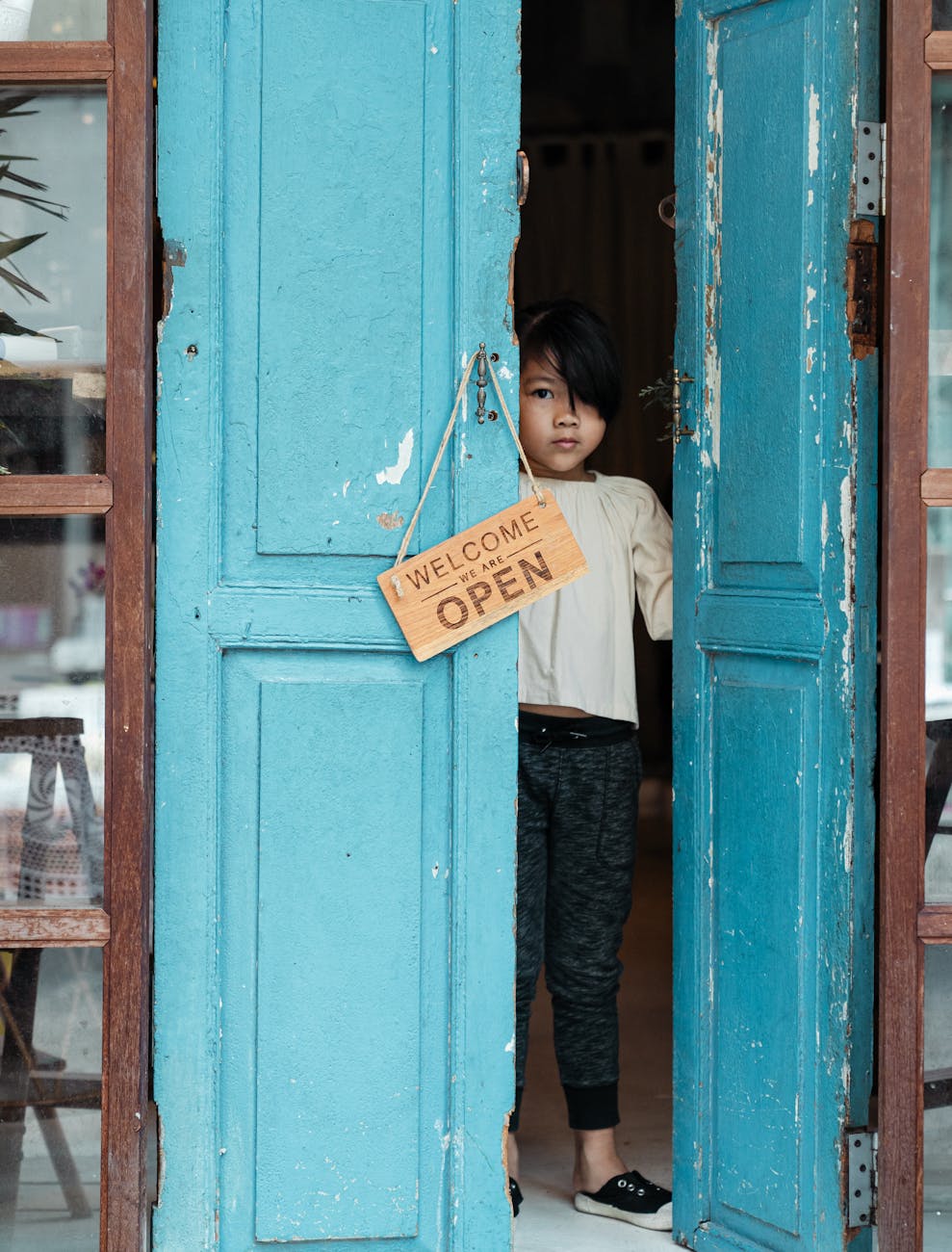
Photo by Ketut Subiyanto on Pexels.com

This journey to becoming a foster parent can be filled with anxiety, excitement, overwhelm, conflict and joy. It’s ok to feel all these things and more, and important to pay attention to what information those emotions are giving you.

If becoming a foster parent is not something you are interested in and you still read all the way through this lengthy description, bravo! I hope I have equipped you with some knowledge that will help transform your understanding and create greater empathy for those who pursue this path.

-AF

If You Can’t Adopt…

So many people are in situations or circumstances that make it impossible or difficult for them to pursue adoption.  While I campaign and advocate openly for MORE FAMILIES TO ADOPT I certainly realize some families are not able to pursue adoption for a variety of reasons…and shouldn’t.  Unfortunately the landscape of our culture is also making it more and more difficult for Christian families to adopt as our values and ethics become increasingly controversial to society at large.

So what can you do if you are not able to adopt?

How can you obey the biblical command to care for the orphan? (Psalm 82:3, James 1:27, Isaiah 58:6-10)

1. PRAY

Old, young, middle aged…even children can get involved in this way!  Through this season we’ve committed to praying with our children for waiting children needing families.  I’ve seen such a space open in their hearts just in a few short prayers as they connect with these children.  Prayer changes hearts and it changes lives!

  • Pray for the waiting children, waiting families, newly adoptive families, and tired adoptive families in the trenches.
  • Pray for more adoptive families to step forward!
  • Pray for wisdom and perseverance for families wading through the trauma adoption brings.
  • Pray for courage for families facing difficult adoption realities.
  • Pray for healing for the children.
  • Pray that through the next month the church would rise up and meet the challenge of thousands of children needing homes!
  • Pray that the Christian families currently undergoing the home study process would be approved to adopt!  Pray that they would not be excluded from consideration due to their faith.
  • Pray for the social workers, judges and other professionals on the front line deciding the fates of these children.

2. BECOME A RESPITE HOME.

To become a respite home you will go through the typical foster care training and assessment, but as a respite home you will only commit to the time you have available.  It may be one weekend a month, every weekend, one day a week or one weekend a year!  Whatever time you have can benefit a foster child and family.

Children in care are dealing with big emotions and big life changes which often show themselves through big behaviours!  It can be a huge relief to have a weekend off for a foster family to regroup, catch up on sleep, visit family or just relax and rejuvenate for the work God has called them to.

Likewise, respite homes are encouraged to act more like a ‘grandparent’ in the child’s life.  Relax a bit on the structure of the child’s life and just have fun.  My girls have very fond memories of some respite homes they spent time in on weekends during their years in foster care.  These people, though only in their lives for brief periods of time, built fond memories with them and helped them to feel like they had a larger, extended family outside of their foster families.  They still talk about them today.  One couple in particular advocated strongly for our girls to be placed together instead of separately for adoption when they cared for them on weekends.  We are very grateful to them!

This role is perfect for an older couple who may not be prepared to take on a child full time, a family busy raising their biological children or a single person who may not have the resources or time to commit to full time parenting.  Also, if you’re considering foster care and would like to ‘ease in’ a bit…this will give you a taste and some experience before forging ahead full time.  Many times the agency will set you up with the same child or children so that you can form a relationship and become a safe haven in the child’s life.  Most children in care look forward to these “sleepovers”.

3. SUPPORT A FOSTER OR ADOPTIVE FAMILY IN YOUR CHURCH OR COMMUNITY.

There are so many ways you can bless a foster or adoptive family in your church or community.  Take a look at the time, skills and resources you have to offer and then just ask the question, “How can I use these to support a family on the front lines of this ministry?”  We are so grateful for our extended family, friends and church community who have supported, loved and prayed for us through our adoption journey.  It is so important to feel like you have a village behind you!  These are some of the ways that people have blessed our family:

  • Hand me down clothes, toys, etc.
  • Babysitting – so thankful for people who have volunteered to babysit…even when our children are not easy to care for – so that we can have a date night!  Being foster parents means our babysitters need Criminal Record Checks and agency approval.  It means a lot to us when people do this for us so we can leave the children for an hour or two!  There are also many appointments for children in care so having a babysitter available to take some of the children while you go to the dentist, doctor, paediatrician, school meetings or visits with birth family is a huge blessing.  We also have family members who have went to even further lengths to have their homes approved to be able to keep our children overnight as well.
  • Meals – freezer meals, leftovers, take out or gift cards…we are thankful for them all!
  • Gifts – When our daughters first joined our family one couple blessed us by giving us Canadian Tire gift cards specifically to buy the girls each a new bike and helmet.  Not only did it mean the world to us, it was special for the girls to realize so many people they’d never even met cared for them and wanted to bless them.
  • Accompaniment travelling to appointments.  In those first months we had to travel over 3 hours just to see the girls’ paediatrician.  It was a huge blessing to have a friend come with me so that my husband wouldn’t need to take off work.  6 hours on the road, 2 very active girls and a stuffy doctor’s office were a less than appealing prospect until my friend added in her company, some fun toys and snacks.
  • Taking an interest in the children’s lives.  Like any other parent, we want our children to have a broader world than just us.  It’s a huge blessing to know someone else is investing in our children’s lives alongside us.  It’s also really important for the child to build as many healthy relationships as possible.
  • Ask how it’s going.  Acknowledge the extra layer in their family dynamics and give space for them to talk about that.  You might be surprised at what their normal looks like.
  • Point out the progress or positive things you notice in the child’s life.  It is so reassuring and comforting as the parent to hear something good about your child.  It can help affirm progress, encourage during a difficult season or just remind you that you are not alone in this when others notice your child growing and maturing.
  • If none of these ideas fit…just ask!  Ask how you can help, and observe their family to see if you can spot a need.  They may feel vulnerable at first accepting your help but if you prove to be a safe and nonjudgmental support they will gladly welcome your assistance!

    4. EDUCATE YOURSELF.

    I cannot stress this one enough!  So many adoptive parents and children who have been adopted have been hurt by the ignorant words of someone around them.  Words cut deep, and for many adoptive families every conversation about adoption is full of landmines.  As an adoptive parent, I know that sometimes I read into things too deeply, and I apologize for that.  I certainly want to understand when comments are made out of ignorance…however…you must understand that the stakes are often a lot higher than you think!  An off hand comment overheard by a child can plant deep seeds of fear, shame or inadequacy.  So be aware!  Listen to the adoptive families around you and follow their lead in how they discuss their child’s history and challenges related to adoption.  Don’t ask for more information than they are willing to give, as it may be sensitive, but at the same time take an interest in the child’s life.  If there are diagnoses or behavioral challenges, don’t jump to conclusions!  There is very likely a huge part of the story you are missing.  They need your encouragement, understanding and support…not your criticism.  Also, know that parenting advice is rarely helpful to families parenting a child with attachment disorder, trauma or neurological differences.

    5. VOLUNTEER

    Similar to providing respite care, public child protection agencies are always in need of volunteers.  With thousands of children in care and not nearly enough foster homes to accommodate them all, agencies are often scrambling to meet the needs of the children.  As a volunteer you will need to complete a short screening process and be approved.

    There are many opportunities to serve such as:

  • Driving children in care or their families to appointments, visits with birth family, school, etc.
  • Holding babies in the NICU who have been apprehended but not yet placed in a foster home.  After spending 2 days and 2 nights in the NICU with one tiny baby I know first hand how big a need this is!  Many of these babies are withdrawing from drugs they were exposed to in utero and in severe pain.  They desperately need the one to one care a nurse does not have time for.  They need eyes that will see the dirty onesies, hands to cream the raging diaper rashes, arms to hold them firm and walk the halls for hours as they cry and cry.  They need someone to go out and buy them sleepers.  They need someone to hold them and feed them and make sure they are getting enough nourishment.  Our particular little baby spent most of his hours at the nurse’s station as he had no one to care for him before we showed up.  No infant should be that alone in the world.
  • Completing paperwork for childcare workers
  • Organizing events

In the foster and adoptive community we often hear, “It takes a village to raise a child.”  This is very true.  While it may be possible to do it on your own, it is so much easier and so much better with support from your friends, family and community.  Ask God to show you how you can be a blessing to foster and adoptive families.  You will be richly rewarded for any time, money or resources you pour into this ministry!

Ask for Help

Many families go into foster care with the idea that if they do not perform perfectly as foster parents they will not be allowed to foster.  I can easily see how this happens in a system where there are many rules and regulations that need to be followed.  Certainly there are certain rules that, if not followed, will jeopardize one’s role as a foster parent.  Those are clearly laid out, logical and always related to the safety of the child.

However, there are many foster families that worry, even after spending years involved in the system, that they will be removed from their role for any random misdemeanor.

A messy kitchen floor,

a child throwing tantrums in the office in front of ten social workers,

forgetting an appointment or visitation,

a visit to the emergency room after a child falls off a bike or does some other childlike thing,

and maybe most common of all…having to ask for, or obviously needing,

HELP.

I remember our first foster placement.

I was only 23 years old and I had never been a parent before.  I was reminded of this continually and cautiously all throughout our home study process.  It was not in a superior way, just gentle reminders that encouraged me to be open to advice from those around me who were more experienced than I.

Despite that, the first child placed in my arms and my amateur care was a five week old baby struggling with drug withdrawal symptoms who had spent all his little life so far in the hospital’s neonatal intensive care unit.

I didn’t know enough to be intimidated, but I did know I had something to prove.

I would have to earn the respect and trust of the doctors and nurses releasing him into my care from their expert hands, the social workers putting me on duty as “foster parent” for the first time, the birth parents of this tiny child and maybe most of all myself.

That placement only lasted a few short weeks, and I came out proud of the way I had handled it and grateful for the knowledge I had acquired.

However, looking back I know for certain even if I had been in way over my head…a phone call to our social worker would have been the last option on my list, and one that terrified me.

Despite the friendly support, gentle guidance and beginnings of a relationship we’d developed through the home study process, I was sure that if I showed any sign of weakness or incompetence I would be deemed unworthy.  Maybe even worse, in my own mind asking for help meant I was somehow not enough…and I desperately wanted to be enough.

Thankfully, God brought me just what I needed.

A child who broke me.

A child who needed more than I had to offer.

Asking for help was no longer optional…and when I finally did…the relief and support and encouragement I received made me realize how proud I had been.  Where I had ever gotten the idea that I alone could be enough I have no idea.  It takes much more than just one person to raise a child, especially a child who has been through the physical and emotional trauma most of these children have endured.  Though motherhood certainly requires us to take on aspects of many roles in life, we will find ourselves discouraged, disillusioned and burnt out if we try to be all things to these little people.

Through the next few years, I had many opportunities to practice asking for help.  It is getting easier, though I still have to fight against the craving to somehow be everything for my children.

In foster care and adoption, especially, I soon discovered I won trust and respect much more quickly when I was willing to learn and admit my own weaknesses or lack of expertise.

When I demonstrated a heart that was open to new ideas, new methods, outside resources when needed, others’ opinions and yes, even breaks at times…the relationships formed became solid and deep.

Now, our resource worker is a person I go to quickly when I’m feeling overwhelmed or discouraged and I know she will see my heart because she’s had many opportunities to learn it.  I know without a doubt in my mind that if I’m feeling tired or needing a break, if I just come and ask for help she will try her best to supply that need.  I also know that using these resources to help me prevents burn out, frustration and actions that I would end up regretting as a mother.

We are stronger when we admit we are not always enough.  There is much to learn in parenting…especially children who’ve experienced trauma and heartache to the measure these kids have.  But there is also much that can be accomplished when we choose to learn what we can, tap into resources and even change our lifestyle to accommodate special needs.

Ironically, I have found in the world of foster care and adoption admitting I alone am not enough makes me less afraid, not more, of new challenges.  It feels less frightening to take on children with challenges such as extreme behavioral difficulties, medical needs, permanent diagnoses, etc when we remember we will not have to do it all alone.

It takes a village to raise a child,

but as a parent I will need to choose to tap into the village.

So if you are new to foster care or adoption…my best advice to you is this.

You don’t need to be a superhero.  Admit you do not know everything and be willing to listen, learn and grow.

Even if you’ve parented for years, there is much you do not know about the children who are about to enter your care.  I can guarantee it.

Take the courses.  I have taken the same attachment course three times now and still I have so much to learn.  Many of these are available for FREE through your local agency.  Ask your social worker.

Read the books.  There are more and more child psychology books available on topics such as attachment, exposure to drugs and alcohol, poverty, domestic violence, anxiety, mental illnesses, etc.

Ask for help.  Friends, family, your social worker, community counselling services, your church, etc.  Explain what you need clearly and humbly.

Ask for advice and opinions of those who have been there.  If you don’t know anyone, find a group online.

Seek out professionals and research.  Family doctors, paediatricians, child psychologists, resources for speech and language, behavioral therapy, etc.

Don’t try to do it alone.

You will become a trusted, respected and humble foster/adoptive parent only to the degree that you are willing to ask for help.

I want to give a special warning to Christian families involved in foster care and adoption here.

While it is certainly true that the Bible is full of advice for parents, please do not reject the knowledge and wisdom you can gain from professionals and public resources and services.  Just because someone is not a believer does not mean they have no insight into your situation.  Emotional and physical abuse and neglect causes changes in the way a child’s brain functions and develops.  Alcohol and drug exposure will do the same.  The life your child has come from may be one you could not even begin to imagine.  Just as you would seek the advice and research of an expert on other topics, you will need it here.  You would not expect a teacher to use only the Bible as a textbook for Math, Language, the Sciences and Arts.  There is much knowledge to be gathered about the human mind.  The pieces you already know and the ones you learn will all come together to give you a greater insight than you can imagine and a greater ability to parent your child successfully and biblically.  Your child’s heart is at stake.  Do not be so arrogant as to believe you hold all the keys.  We have an opportunity to display God’s heart of humility and gentleness toward the professionals we interact with.  The church will be valued as a resource for these children only if we show a willingness to learn.

More than anything…remember that with God all things are possible.

Believe that, and seek His guidance in all that you do.

Pray for your children and your self.

Pray for wisdom to seek the right resources and help for your child.

Pray also that you will have wisdom and discretion when seeking personal friends and confidantes.  A lot of damage can result from sharing too much information with the wrong people.

Seek out a faith family that will encourage and build up your family physically, emotionally and spiritually.

Find at least  one friend that you can tell ANYTHING.

The best, the worst

the triumphs, the failures.

You do not have to be alone in this.

Ask for help.

AF