

It’s May – foster care awareness month.
I hope you’ve been following along as I pull you into this world of ours and show you around.
With any luck, you’re getting pretty interested in this whole foster care thing by now and asking some good questions about what is involved in actually becoming a foster family or as it’s called officially – a resource home.
Becoming a foster parent is a process. Like most good things it requires patience, intentionality and self reflection.
While most people don’t enjoy waiting (myself included), you should know that becoming a foster family will include a lot of waiting time. However, waiting doesn’t mean that nothing is happening! But I’m jumping ahead of myself…
Cue: Do Re Mi – The Sound of Music Soundtrack
“Let’s start at the very beginning, a very good place to start!” – Maria Vonn Trapp
Where do you start if you are feeling interested in exploring the idea of foster care for yourself or your family?
While each individual agency has some autonomy and therefore unique aspects to the process, I’ve put together a bit of a map outlining what’s involved in the process.
- Reach Out – Foster care will rarely just fall into your lap, though it does happen at times in unique situations – this is usually called kinship care. Most likely, you will need to make a move and reach out to your local child welfare agency with an expression of your interest in foster care. This could look like picking up the phone to make a phone call or just walking into your local agency building like I did 14 years ago! It’s also very likely that you might try reaching out initially and hear nothing in return. It may take a few attempts to make a connection with someone. Please keep trying! Know that just like many other government agencies or your phone company, it can be hard to make a connection with the right person. Most individuals working in the child welfare agency are overwhelmed with both mental and physical tasks. Offering some grace from the beginning can go a long way in preparing your mind to work cooperatively with the system. A lot of people seem to think they need to be totally convinced that they are ready to commit to becoming a foster family before reaching out. On the contrary, the homestudy (or approval) process, exists so that together you and the agency you are working with can decide whether or not this is what you want and if it is well suited to your lifestyle, family needs, etc. So if you’re waiting to be sure…please know that getting more information is usually helpful in making that decision in a well informed way!

2. Paperwork – When you reach out to express interest, you’ll likely receive a phone call or email and then be sent a package of paperwork to fill out. This initial package holds more information about the process to becoming an approved foster home, questionnaires to gather personal information as well as some steps to take to get the ball rolling. You’ll need to fill out lots of information about your family, home and finances. There will be questions about how you parent, how you relate to others and what you do for a living. You’ll need to get a physical examination done by your doctor to provide to the agency to ensure you are in sufficiently good health as well as a criminal record check and fingerprints at your local police department. As you work through this initial package, you will probably start to have some doubts and reservations creep in. It’s a lot! It feels invasive and complicated. What is helpful to know is that while this initial information will be retained in your file, all of the questions and information you’re providing will be discussed with a social worker in person as you proceed. This is a great time to pray, do research and have discussions with your partner and children about the questions being asked of you. Think of it as the initial brainstorming session, where you start to get all the questions and “what ifs” and ideas and reservations out into the open where you can identify them. If you run into questions, make a note of them for later or reach out to someone at the agency or a foster parent you know to get clarification. There are no silly questions!
3. Wait – If you haven’t yet, this will likely be the point where you hit a bit of a lull! It can take a few months for all the information you’ve provided to be processed and for your family to be assigned someone at the agency who will walk you through the next phase. Don’t be discouraged if this happens! All the questions and paperwork you’ve just waded through have given you some great food for thought and possibly some clarification on the work you need to do to feel comfortable moving forward.
Here are some ideas of ways to fill your time while you wait:
*Pray – pray consistently and specifically about your foster care journey. Ask for God to open and close the appropriate doors, for your heart to be soft and pliable to His leading and for courage to persevere through challenges. Pray for your family, the agency you are partnering with and for the families they serve. Pray for wisdom, compassion and discernment. If there are specific concerns that have come up, pray about those and seek out advice and wise counsel.

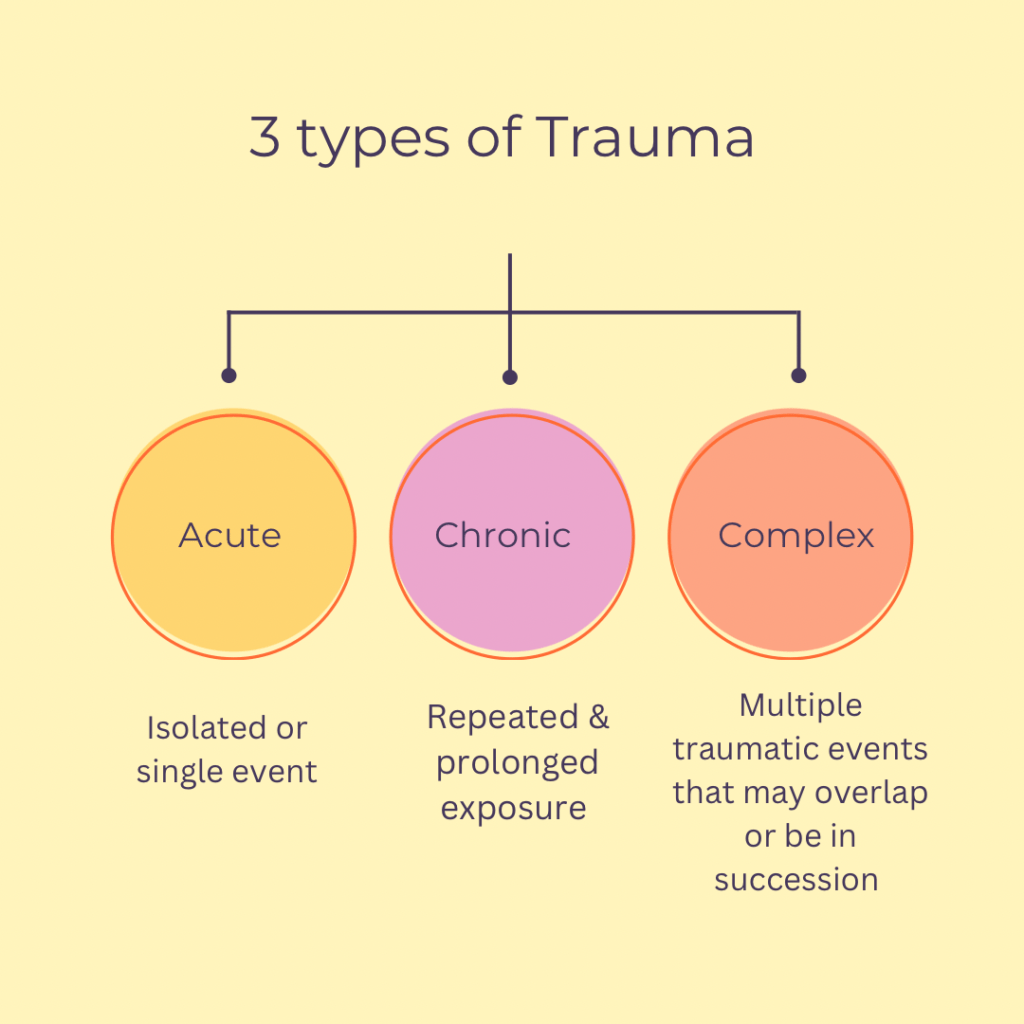
*Trauma Training – Every child who enters foster care has lived through some type of traumatic situation, if not many. Learning about how trauma impacts child development will help you become better equipped to care for these children and families well. Love is not enough. Our love must be paired with knowledge and practical strategies so that we can offer competent care. Trauma training can be found through in person workshops, online or in books. Some sources I recommend are:
Trauma Free World – there are tons of free online courses available here to get you started!
What Happened to You by Dr. Bruce Perry and Oprah Winfrey – if possible listen to the audible version of this book and it will feel like you’re listening to a podcast! Dr. Bruce Perry is one of the leading experts on trauma and its pervasive affects on the development of a person. Oprah adds whimsy, grit and inspiring stories to Dr. Perry’s expertise.
The Connected Parent by Dr. Karyn Purvis and Lisa Qualls – This resource is full of both neuroscience (in easy to understand language) and practical stories and strategies. Dr. Purvis is full of wisdom and gentle knowledge for anyone caring for wounded children. Lisa Qualls is an adoptive mom who shares candidly about her family’s journey of highs and lows.
Foster the Family by Jamie Finn – this book is a perfect way to dip your toes into the inside world of foster care. Jamie is a passionate and gospel centered advocate for foster care, reunification and journeying with broken families. You can also find her on social media where she posts regularly about her own family’s journey, trauma informed care practises, encouragement and support for foster parents.
Reframing Foster Care by Jason Johnson – Need a reminder of why you ever started this process or how we as Christians should interact with those in foster care? This resource will give you lots to think and pray about as well as discuss with those around you. You’ll reach the back cover with a solid foundation of your why and the heart of Jesus clearly in view. You won’t want to miss this one. This is also a great resource to hand out to family or friends who may have questions or concerns about your interest in pursuing foster care.
Replanted Conference – If you have time for a weekend away, check out this faith-based, super fun and encouraging conference for foster, kinship and adoptive families, church ministry volunteers and leaders, social workers and anyone else involved in caring for vulnerable children and families. My husband and I go as often as we can! You will worship, have fun, be inspired and celebrated, get practical support, answers to questions as well as have a huge array of workshops to choose from that apply to your current situation. You won’t regret it!

*Gather Your Village – “It takes a village to raise a child.” This is true both inside and outside of foster care. Stepping into the work of supporting struggling families can be exhausting and discouraging. You are going to need people around you helping you out, reminding you of your “why” and offering you a night off, listening ear or pizza delivery. Talk to the people in your community about what you’re hoping to do and ask how they might be willing to support your family. Do you have someone who is willing to be approved as a respite home or babysitter? Do you have someone who can spend extra time with your biological kids through the intense first few weeks of a new placement? Do you have someone who can give you hand me down clothing, bedding or bikes their kids have outgrown?
There are a million more things you could do during this waiting time, so don’t waste it! If there’s one thing I could change, it would be this. I spent way too much time obsessing over the timeline, being the “squeaky wheel” at my agency and feeling stuck instead of viewing this time as preparation for the season ahead.
4. Building Relationships – Eventually, someone from the agency will get in contact about moving forward in the process toward becoming a foster family. If it’s been a few months and you haven’t heard anything, don’t be afraid to check in and remind them you are still interested! Unfortunately, a lot of people never make it past that initial paperwork package so they may be surprised when you let them know you are still interested in proceeding! At this point, the worker assigned to complete your SAFE homestudy will set up some in person conversations to talk more about the process, your specific questions or needs, reservations you may have, changes that may need to be made to your home or concerns that have come up so far. This can be an intimidating period, as you feel a bit like you are on trial. To be honest, you kind of are! This is good and right. Caring for another’s parent’s child is a huge responsibility and I’m grateful we live in a country where foster and adoptive parents are screened accordingly. However, remember that the agency is also on trial in your mind and this is a great time to start building healthy relationships and communication patterns. Have questions? Ask them! Don’t avoid the sticky spots. Be clear about your expectations, your family values, your beliefs, your daily routines and your finances. This is the point where many Christian foster parents experience disillusionment, discouragement and anxiety. Some agencies are wary of Christian families due to the history of conflict between LGBTQ2+ communities and the church as well as the residential schools and Sixities Scoop era. My advice is simply to do your research, ask questions, be honest about your intentions and trust that the One who is ultimately in control. He will open or close the doors according to His sovereign knowledge and power. Many Christian families in Ontario are being turned away because of their beliefs and practises. Many Christian families in Ontario are also being approved as foster homes. As hard as it is, this piece is probably not going to depend on anything you do or don’t do. Pray, practise humility and wait on the Lord to see what He has in store. If you are turned away, know that this does not close the door on your ability to serve vulnerable children and families! The church will always have a space to serve, if we are willing to show up with compassion and humility. It may not look the way we thought, but there will always be opportunities to care practically for vulnerable children and families in your community.

5. Training – After or possibly during your SAFE homestudy, you will be required to participate in some training. Hopefully, if you’ve followed my advice from above, this will not be the first training you participate in on some level! In order to be approved as a resource home, adoptive applicant or kinship caregiver in Ontario you must complete P.R.I.D.E. training.
Side Note: (This PRIDE has nothing to do with the LGBTQ2+ community – though an interesting fact to note and be aware of is that there is a significantly higher occurrence of gender confusion amongst youth in foster care than in the general population, so having conversations about how you might navigate having a gender questioning youth in your home is important.)
P.R.I.D.E. stands for Parent Resources for Information, Development, and Education. It is offered primarily online and can be completed at your own pace. This training walks you through important information and skill development around caring for children who have experienced trauma. Some of the skills taught include: Protecting and nurturing children, meeting children’s developmental needs, addressing developmental delays, supporting relationships between children and their biological families, connecting children to safe, nurturing relationships, participating as a member of a professional team and reinforcing a child’s heritage and cultural identity.
(Another area to note is that Indigenous communities also represent a much higher number than the average population in the Canadian child welfare system. Lots of work is being done to counteract intergenerational trauma, preserve Indigenous culture and keep Indigenous children within Indigenous communities and homes. This work is marred by significant conflict, political confusion and misunderstandings. It’s worth asking good questions and seeking out accurate information on this topic.)
While P.R.I.D.E. training is beneficial and important, I would highly encourage you to seek out training above and beyond this training. Ask the agency you are working with for training resources they have available and check out the ones I listed above.
6. Waiting – In case you’ve forgotten, I just needed to remind you that there will be lots of waiting involved! Our homestudy approval process lasted about a year and a half from start to finish. This felt like the longest season of my life! In retrospect, I am so thankful for the slow, steady work God was doing in my heart and the hearts of others around me during this time. As difficult as it may be, please be patient and remember to spend this valuable time wisely. Pray, seek out training, talk to others, read, gather your village and enjoy the season you are in as you wait for things to progress.
7. Placement Request – When the agency has a completed SAFE homestudy in their files, you will be officially placed on the list of resource homes! With your preferences in mind, they will call you with placement requests as needed. These requests may fit perfectly into the age group and needs category you expressed or they may be way outside of that range! Remember most agencies across Ontario are desperately short on beds available and social workers are having to take desperate measures like checking into hotel rooms for the night with children they have been unable to place. If the agency asks you to care for a child or youth that you do not feel is an appropriate fit for your skill or comfort level, it’s totally ok to say no! It’s important to be honest, no matter how dire the circumstances. It’s also ok to ask for a few minutes or hours to think, talk to your spouse or process before making a decision. A poor fit between a child and family usually results in difficult disruption and sometimes further harm to the child themselves. If the placement does seem to be a good fit and you say yes, you will then be presented with a plan for the child’s arrival – usually within a few hours unless it’s a request to provide respite care or it’s a planned move from one foster home to another.

This journey to becoming a foster parent can be filled with anxiety, excitement, overwhelm, conflict and joy. It’s ok to feel all these things and more, and important to pay attention to what information those emotions are giving you.
If becoming a foster parent is not something you are interested in and you still read all the way through this lengthy description, bravo! I hope I have equipped you with some knowledge that will help transform your understanding and create greater empathy for those who pursue this path.
-AF






 Adoption, Mommyhood & the Rest