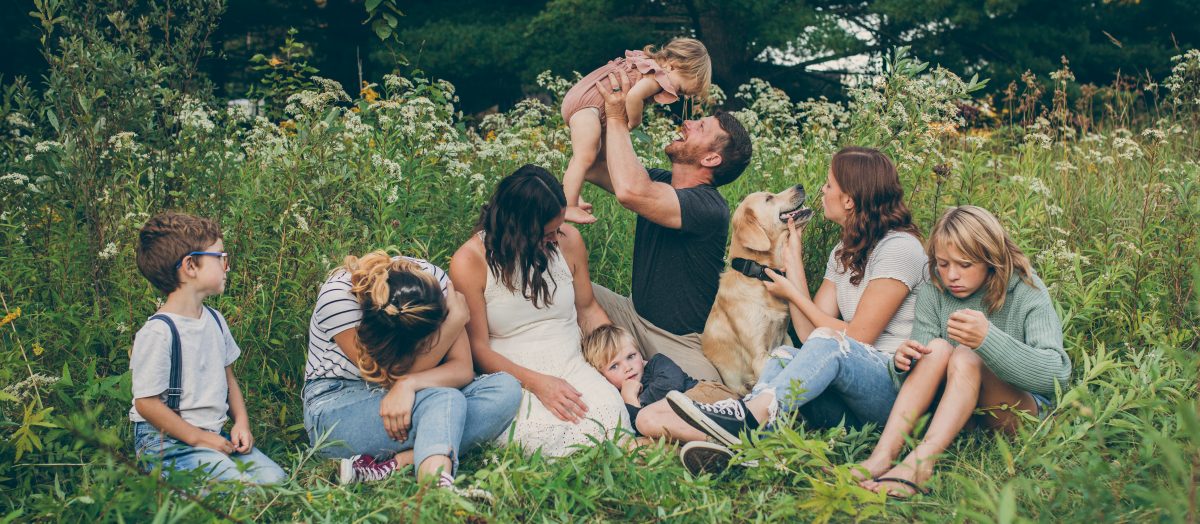

May is foster care awareness month.
My goal this month is to post in some medium on a daily basis to create greater awareness of needs, dispel some myths and encourage those impacted by foster care.
I’d be so delighted if you are able to join me this month. Additionally, if anything I say sparks curiosity, resonates with you or inspires you, please take the time to share that in some way with someone in your life.
It takes a community to care, to create lasting change and to build support around the vulnerable. It all begins with a conversation.

May 1: Let’s Begin With Loss
Every single child who enters the foster care system has experienced significant loss. By this I mean they have experienced gut-wrenching, world shifting losses that will forever change how they view the world. We call this kind of loss: trauma.
Typically, these losses include:
- Loss of a parent or other primary caregiver through separation or death
- Loss of extended family members and friends
- Loss of familiar environments such as their school, daycare, favourite park, neighbourhood, etc
- Loss of toys and items – that stuffie he always sleeps with or the markers Grandma gave her for her birthday are likely to have been left behind
- Loss of safety – children are only ever removed from homes because they are in need of safety and protection in some form
- Loss of comfort – whatever is normal to us is what we find comfortable. While a blanket reeking of marijuana may not provide comfort to you, for a small child who associates this smell with “home”, replacing that blanket or washing it with bleach to remove the scent you find disgusting will be a loss.
- Loss of control – children almost always enter foster care against their will.
These kinds of losses accumulate in staggering realities when a child is removed from their home and family and placed into foster care. This choice is never made lightly. It’s important to remember why this move is deemed a last resort intervention for families who are struggling and the impacts this intervention will have on the family unit.
In the face of such significant losses, most children and their parents will experience feelings of grief, anger, hopelessness and shame.
But this is not what most people first think of when they see a child in the care of a foster family.
“Adoption (or foster care) loss is the only trauma in the world where the victims are expected by the whole of society to be grateful.”
-The Reverend Keith C. Griffith
This quote popped up on my social media feed recently and snagged my attention long enough for me to wince. I feel this. As a foster mom who has loved the children that enter my home deeply, advocated intentionally for their needs, been proactive about connecting with biological parents in healthy ways and supporting reunification…I still fall into the trap of believing that these children and families I care for should be grateful to me; that they owe me something.
This theory is reinforced through comments, conversations and stories that celebrate foster parents as heroic, “saint-like” humans with special giftings to care and serve well. Simultaneously, biological families are generally viewed with thinly veiled disdain and suspicion.
I cannot count the times I have shared that I am a foster parent and been told,
“Good for you!”
“You are amazing!”
“I could never do that.”
“They are so lucky to have you.”
I’m a human, and sometimes these comments feel really good! However, that feeling of satisfaction or even pride is always followed by a sense of sadness, discouragement and a feeling of being misunderstood. While I do understand these comments are made with the best of intentions, they all play skillfully into this false perception that foster parents are uniquely equipped humans who have chosen to sacrifice greatly for the good of others – others being children and families in need of our rescue.
So what’s the problem?
The problem is that when people are hurting, they don’t need someone to rescue them. They need someone to care. And almost anyone can care!
Until we can see foster care as a way to care instead of a way to rescue, we’re going to keep getting it wrong and having unrealistic expectations.
The mother with addiction issues needs someone to care enough to ask the question, “What is it in life that feels so big that you’re reaching for these negative coping tools right now?”
The father with domestic violence charges needs someone to care. Someone to say, “I get it. I never knew I could feel rage toward someone I loved until I became a parent. I know you love your kids. Let’s figure out how to break the patterns of anger and violence so your kids can feel safe with you.”
The toddler who has just been placed into a stranger’s home, far from everything familiar in life, needs someone to care. He needs someone to be patient as he screams through bathtime, bedtime and storytime.
The grandmother who is “abandoning” her grandchildren needs someone to care. She needs someone to come alongside and say, “How can I help? This is a lot that you’re carrying, and I can see how exhausted you are. Your needs matter too. “
The adolescent who has just entered foster care against her will needs someone to care; someone to give her choices about as many things as possible as she navigates this new life that she did not choose or want or ask for. She needs someone to be curious about the coping tools she’s accumulated to survive in a challenging home environment. She needs someone who is willing to show up again and again and again and again.
And all these people need someone who is willing to care without expecting gratitude in return.
I have never met a parent who does not genuinely love their child and want to do better, no matter what they have done. I have also never met a parent who gets it all right 100% of the time.
Almost all of the parents of children entering the foster care system are people who have experienced trauma. They are coping with life in the only ways they know how…just like you and I. Many of them grew up in foster care themselves or in abusive or neglectful home environments where they did not get a chance to learn how to care for children or themselves as caregivers with a healthy balance of structure and nurture.
Many of them are isolated, struggling with mental illness, have toxic relationships and lack financial security.
What would it look like to change our understanding of foster care to include more empathy surrounding the losses involved?
My hypothesis is this:
Understanding the losses that children experience when they enter the foster care system would lead to communities who are:
- more empathetic toward children in foster care and their biological families
- more proactive about suppporting struggling families
- curious about behaviors of both children and adults within the system who have experienced loss
- dedicated to preventing the separation of families and supporting the reunification of families whenever possible
One more thought to leave you with.
What is something in your life that you do not like and cannot change?
What emotions, behaviors and coping tools come to the surface as you process that reality?
What might it look like to support someone involved with the foster care system today with empathy, curiosity and care?
-AF


 Adoption, Mommyhood & the Rest