Let’s Begin With Loss

May is foster care awareness month.

My goal this month is to post in some medium on a daily basis to create greater awareness of needs, dispel some myths and encourage those impacted by foster care.

I’d be so delighted if you are able to join me this month. Additionally, if anything I say sparks curiosity, resonates with you or inspires you, please take the time to share that in some way with someone in your life.

It takes a community to care, to create lasting change and to build support around the vulnerable. It all begins with a conversation.

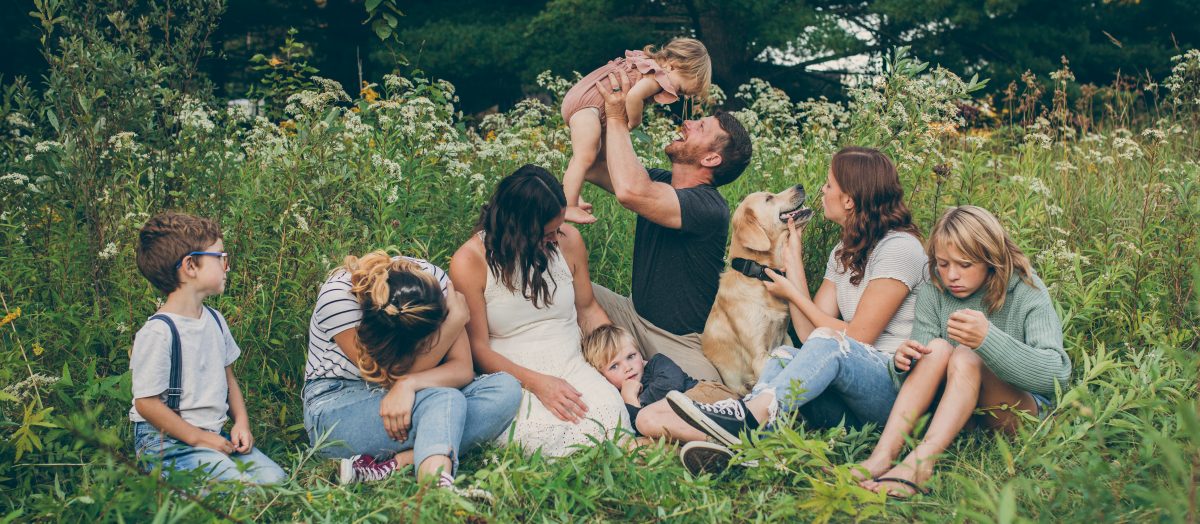
Photo by Alexander Krivitskiy on Pexels.com

May 1: Let’s Begin With Loss

Every single child who enters the foster care system has experienced significant loss. By this I mean they have experienced gut-wrenching, world shifting losses that will forever change how they view the world. We call this kind of loss: trauma.

Typically, these losses include:

  • Loss of a parent or other primary caregiver through separation or death
  • Loss of extended family members and friends
  • Loss of familiar environments such as their school, daycare, favourite park, neighbourhood, etc
  • Loss of toys and items – that stuffie he always sleeps with or the markers Grandma gave her for her birthday are likely to have been left behind
  • Loss of safety – children are only ever removed from homes because they are in need of safety and protection in some form
  • Loss of comfort – whatever is normal to us is what we find comfortable. While a blanket reeking of marijuana may not provide comfort to you, for a small child who associates this smell with “home”, replacing that blanket or washing it with bleach to remove the scent you find disgusting will be a loss.
  • Loss of control – children almost always enter foster care against their will.

These kinds of losses accumulate in staggering realities when a child is removed from their home and family and placed into foster care. This choice is never made lightly. It’s important to remember why this move is deemed a last resort intervention for families who are struggling and the impacts this intervention will have on the family unit.

In the face of such significant losses, most children and their parents will experience feelings of grief, anger, hopelessness and shame.

But this is not what most people first think of when they see a child in the care of a foster family.

“Adoption (or foster care) loss is the only trauma in the world where the victims are expected by the whole of society to be grateful.”

-The Reverend Keith C. Griffith

This quote popped up on my social media feed recently and snagged my attention long enough for me to wince. I feel this. As a foster mom who has loved the children that enter my home deeply, advocated intentionally for their needs, been proactive about connecting with biological parents in healthy ways and supporting reunification…I still fall into the trap of believing that these children and families I care for should be grateful to me; that they owe me something.

This theory is reinforced through comments, conversations and stories that celebrate foster parents as heroic, “saint-like” humans with special giftings to care and serve well. Simultaneously, biological families are generally viewed with thinly veiled disdain and suspicion.

I cannot count the times I have shared that I am a foster parent and been told,

“Good for you!”

“You are amazing!”

“I could never do that.”

“They are so lucky to have you.”

I’m a human, and sometimes these comments feel really good! However, that feeling of satisfaction or even pride is always followed by a sense of sadness, discouragement and a feeling of being misunderstood. While I do understand these comments are made with the best of intentions, they all play skillfully into this false perception that foster parents are uniquely equipped humans who have chosen to sacrifice greatly for the good of others – others being children and families in need of our rescue.

So what’s the problem?

The problem is that when people are hurting, they don’t need someone to rescue them. They need someone to care. And almost anyone can care!

Until we can see foster care as a way to care instead of a way to rescue, we’re going to keep getting it wrong and having unrealistic expectations.

The mother with addiction issues needs someone to care enough to ask the question, “What is it in life that feels so big that you’re reaching for these negative coping tools right now?”

The father with domestic violence charges needs someone to care. Someone to say, “I get it. I never knew I could feel rage toward someone I loved until I became a parent. I know you love your kids. Let’s figure out how to break the patterns of anger and violence so your kids can feel safe with you.”

The toddler who has just been placed into a stranger’s home, far from everything familiar in life, needs someone to care. He needs someone to be patient as he screams through bathtime, bedtime and storytime.

The grandmother who is “abandoning” her grandchildren needs someone to care. She needs someone to come alongside and say, “How can I help? This is a lot that you’re carrying, and I can see how exhausted you are. Your needs matter too. “

The adolescent who has just entered foster care against her will needs someone to care; someone to give her choices about as many things as possible as she navigates this new life that she did not choose or want or ask for. She needs someone to be curious about the coping tools she’s accumulated to survive in a challenging home environment. She needs someone who is willing to show up again and again and again and again.

And all these people need someone who is willing to care without expecting gratitude in return.

I have never met a parent who does not genuinely love their child and want to do better, no matter what they have done. I have also never met a parent who gets it all right 100% of the time.

Almost all of the parents of children entering the foster care system are people who have experienced trauma. They are coping with life in the only ways they know how…just like you and I. Many of them grew up in foster care themselves or in abusive or neglectful home environments where they did not get a chance to learn how to care for children or themselves as caregivers with a healthy balance of structure and nurture.

Many of them are isolated, struggling with mental illness, have toxic relationships and lack financial security.

What would it look like to change our understanding of foster care to include more empathy surrounding the losses involved?

My hypothesis is this:

Understanding the losses that children experience when they enter the foster care system would lead to communities who are:

  • more empathetic toward children in foster care and their biological families
  • more proactive about suppporting struggling families
  • curious about behaviors of both children and adults within the system who have experienced loss
  • dedicated to preventing the separation of families and supporting the reunification of families whenever possible

One more thought to leave you with.

What is something in your life that you do not like and cannot change?

What emotions, behaviors and coping tools come to the surface as you process that reality?

What might it look like to support someone involved with the foster care system today with empathy, curiosity and care?

-AF

Attachment 101 – Part 3

In my last two posts in this series I introduced the attachment theory and explained how that affects children who have been adopted.  We discussed how to step into your child’s life and take control of their world confidently so that they can attach to you and trust you as their new caregiver.  I explained that children who have experienced trauma in their lives need a lifestyle that is highly structured and highly nurtured.  Taking control and developing boundaries focuses on the need for structure, so today I want to focus on nurturing.

When most people think about adoption, nurture is the picture that fills their mind.  They imagine holding their child, hugging and kissing their child, laughing, playing together and smiling.  They think about all the things they will do together, the sweet little rituals they’ll establish at bedtime and the millions of ways they will try to help their child forget all the grief, fear and loss of their past.

Before your child comes home, you will not be able to truly imagine that reality will set in.  You will not be able to prepare for those days when all you want is to be left alone.  You will not be able to comprehend the strength it will take some days just to reach out and give those hugs, kisses or gentle pats.

The bottom line is that no family is happy all the time, and children working through difficult feelings rarely display those emotions in cute, loveable ways.  It is not easy to be gentle and kind in the face of defiance.  It is not easy to stay energetic and positive when your children are testing every limit they find.  It is not easy to create a peaceful atmosphere with a screaming child.  You will get tired of being followed all over the place.  You will grow weary of a child’s tears, missing the loved one you can never be.  You will crave just one night of solid sleep.  Then you will feel incredible guilt as you think about all they’ve been through.

You will be a parent, not a revered saviour.

Realizing this is a bit of a let down; we all love to feel like heroes.  But it’s also exciting when you realize you have really become a normal family, complete with all the stresses and chaos.

Nurturing consists of those tangible ways we express to a child that he is adored, important and irreplaceable.  It’s caring, warm gestures that go above and beyond, but include, basic survival needs.  Nurturing is essential for attachment.

Children who have grown up in dysfunctional, chaotic environments are often starved for nurture.  However, they will not always respond the way you’d think.  It can be more difficult than imagined to nurture your child.

Touch is one of the most obvious and powerful communicators of love, and obviously important when nurturing your child.  Hugs, kisses, back rubs, holding hands, wrestling and piggy back rides are all great ways to connect with your child physically.  For those children whose love language is physical touch this will be even more important.  In some types of attachment therapy “holding” is considered it’s own exercise.  Some children will take awhile to feel comfortable enough to relax in your arms or ask for hugs or kisses.  Others will be all over you within hours or days.  It may be more uncomfortable than you think having that child who wants to touch you all the time.  Many children struggle to figure out appropriate social boundaries.  They may hug and hold hands with any adult they meet.  They may want to touch your face or body in ways that would be totally appropriate for a baby or toddler but not quite as cute in an older child.  It can be hard to offer hugs and kisses without limit, retain enough boundaries to keep yourself from feeling claustrophobic and teach your child appropriate social boundaries.  It is especially difficult with a child who has been sexualized by adults in their life.  Beware of any sort of touching that the child is uncomfortable with and follow their lead.  If you see signs of provocative or overly sexualized behaviours, be sure to clearly direct your child away from those behaviours.  The goal is to nurture your child, not to lure them back into unhealthy habits.

I remember the first day I met my daughters.  At 7 and 5, they were anxious little whirlwinds of activity.  I wanted so much to be able to just reach out and hold them…but I was a stranger.  While one of them soon snuggled in close under my arm, the other one circled me warily, staying just out of reach.  Now she falls asleep in my arms, but then she needed me to follow her from room to room, looking at everything she pointed out and then letting her retreat again for a while.  The most I got was to let my fingers slide over her silky hair for a second.  My husband, however, won her over by offering piggy back rides 🙂

Food is another basic way to nurture a child.  We all need food and water to survive, but some children have not always had plenty of food or water.  They may remember times when their tummies ached with hunger, or they may cope with anxiety by grossly overeating.  Be sensitive to this and try to make sure you take advantage of the opportunity to give them that physical satisfaction food brings, while establishing healthy eating patterns.  Simply doing the little things like getting a drink of water for them, pulling something from the fridge, scooping food onto their plate or packing a plentiful and appealing lunch can help children feel nurtured and cared for.  For children who hoard or steal food, packing a special snack basket or stocking a cupboard just for them helps reinforce the message that food is readily available when needed.  This helps them realize they are not in danger of being without enough food as they’ve been in the past.  For children who may have missed early infant nurturing, spoon feeding or even bottle feeding is a bonding activity that will reinforce tons of positive messages.

Like many little children, my littlest A loves to snack!  She adores junk food and candy and begs for food anytime she’s bored or slightly hungry.  While this is very frustrating, I’ve tried to turn it around by getting ahead of her and surprising her.  When she’s busy with something else I’ll suddenly interrupt her and tell her it’s snack time!  She’s always delighted to realize she didn’t even need to ask and it’s way more fun for me!  I also like to let the girls lick off spatula’s, have a few chocolate chips when I’m baking cookies or pick out a special snack to go in their lunch at the store.  My grocery bill has definitely went up since I started packing creative, healthy and appealing lunches but it’s a way to send my nurturing along to school with them.

Even though your child may be an independent 8, 10 or even 16 year old doesn’t mean you should never do anything for them they can do themselves.  While promoting attachment you are not focusing on independence.  We all love to be treated with care.  Go out of your way to care for your child.  Pack their lunch, start the bath water for them, help a younger child dress, brush their hair, trim their nails, put their pajamas in the dryer to warm them up while they’re in the bath tub.

Simply having fun and spending time together is a big part of nurturing your child.  Laugh.  Smile.  Snuggle on the couch and watch a movie.  Make eye contact and pay attention when your child is speaking to you.  Make yourself and your home a “safe haven” your child can come back to no matter how he or she is feeling!  Reinforce the message that we all have feelings and they are not wrong in and of themselves, it is what we do with them that matters.

Most of us know how to nurture, it’s just difficult to do it when we’re feeling tired, worn out or frustrated.

Last week I had a bad week.  One of my daughters was sick and I was just not in the mood!  She is a detail person and struggles with anxiety in the best of times, so feeling a little off turned her into a real bear!  The tiny bump on her lip and the fever she developed had equal significance, along with a possibly occurring rash and itchy spot on her left leg!  She woke up multiple nights in a row and knocked on my door in tears, panicking at the thought of not sleeping which then of course kept her from sleeping for long afterwards.  She was defiant and mean at school, tired and grumpy at home.  I am telling you this to show you that even though I know all about nurturing in my head, I fail miserably on a regular basis!  Last week I had the perfect opportunity to show my daughter that I cared about her and would go out of my way to nurse her poor tired little body.  Instead, I was grumpy, irritable and insensitive.  I knew I was failing miserably and instead of choosing to let this motivate me I let my mind take me on a huge guilt trip instead.  After everything this little girl has been through, how could you treat her with such a lack of compassion?!  What a horrible mother!

See, just because my daughters have not been born to me by birth and have trauma in their past does not mean I always find it easy to be gentle and kind.  I am no superhero!

So I hope all you moms out there are encouraged to nurture your little, middle sized or big kids today.  Go the extra mile to make them feel important.  Remember the golden rule.  Take every opportunity to love.  They’re worth it!